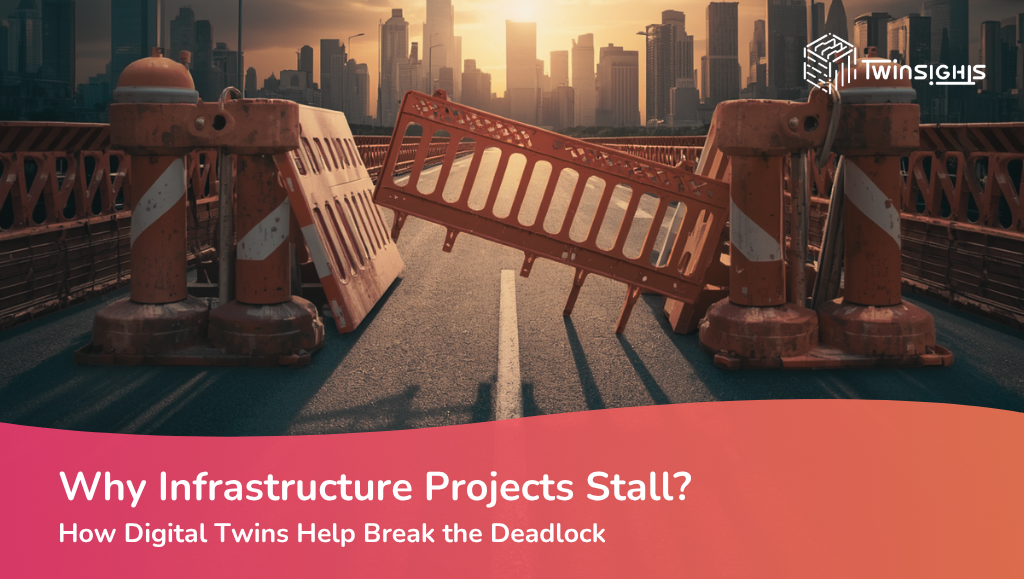
Why Infrastructure Projects Stall – And How Digital Twins Help Break the Deadlock
If there is one thing common in almost all infrastructure projects around the world, it is the fact that they are plagued by unforeseen delays – sometimes adding years to the completion of a project. However, Infrastructure projects rarely fail because of engineering alone – the design may be sound. Funding may be approved. Teams may be experienced. Yet projects still run over budget, miss deadlines, trigger disputes, or stall entirely.
Globally, major infrastructure projects routinely exceed budgets and schedules, with research suggesting over 90% experience overruns in cost, time, or both.
The question is not whether delays happen.
The question is why they happen repeatedly, across roads, rail, energy, utilities, manufacturing facilities, and urban development projects.
Increasingly, the answer points to one issue: fragmented visibility across the lifecycle of a project.
This is where Digital Twins are beginning to change the equation.
The Hidden Reasons Infrastructure Projects Stall
When projects slow down, the visible symptoms are obvious:
- Delayed approvals
- Design revisions
- Cost escalations
- Construction rework
- Misalignment between contractors and owners
- Schedule overruns
- Operational inefficiencies after handover
But beneath these symptoms are deeper systemic problems.
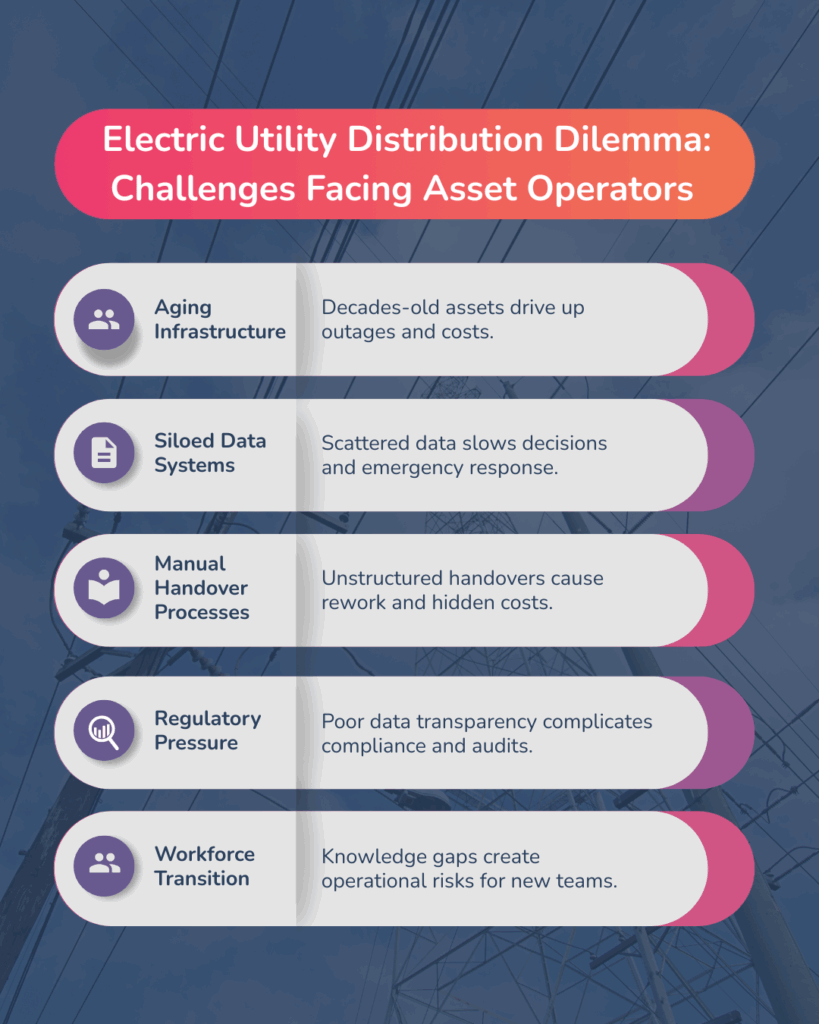
1. Siloed Data Creates Conflicting Realities
Large infrastructure projects involve dozens, sometimes hundreds, of stakeholders:
- Owners
- Engineers
- EPC contractors
- Asset operators
- Regulators
- Consultants
- Procurement teams
- Maintenance teams
Each often works from different systems and datasets.
Design information sits in one environment. Construction updates sit elsewhere. Operational data arrives much later. Decisions become dependent on outdated information.
The result is multiple versions of reality. When stakeholders cannot see the same truth simultaneously, delays become inevitable.
Research highlights data silos, transparency gaps, and fragmented workflows as major contributors to delays, rework, and disputes in infrastructure and construction environments.
2. Problems Are Identified Too Late
Traditional project management tends to be reactive.
Teams discover issues after they occur:
- Structural conflicts during construction
- Unexpected asset performance problems
- Resource bottlenecks
- Schedule clashes
- Environmental impacts
By then, fixing the issue is expensive.
A small design conflict identified during planning might cost thousands.
The same issue discovered during execution may cost millions.
3. Static Models Cannot Reflect Dynamic Conditions
For years, BIM improved infrastructure planning by digitizing designs. But BIM models are often static snapshots.
Infrastructure is dynamic. Conditions change daily:
- Weather
- Supply chains
- Workforce availability
- Equipment performance
- Sensor readings
- Traffic patterns
- Environmental conditions
Static models cannot continuously adapt to reality.
This creates a disconnect between what was designed and what is happening on the ground.
4. Collaboration Breaks Down Under Complexity
Mega projects amplify coordination problems.
A delayed procurement decision affects construction sequencing.
Construction delays affect commissioning. Commissioning delays affect operations. Everything becomes interconnected.
Without shared visibility, decision-making slows and teams operate defensively rather than collaboratively.
Enter Digital Twins: Moving From Observation to Prediction
A Digital Twin is much more than a simple 3D model.
It is a continuously updated digital representation of a physical asset, process, or system connected to real-world data. True digital twins rely on dynamic synchronization between physical and digital environments rather than static visualization alone.
The distinction matters.
Traditional systems often answer: What happened?
Digital Twins aim to answer:
- What is happening now?
- What happens next?
- What happens if conditions change?
- Which intervention reduces risk?
That shift from monitoring to prediction changes how infrastructure projects are managed.
How Digital Twins Break Infrastructure Deadlocks
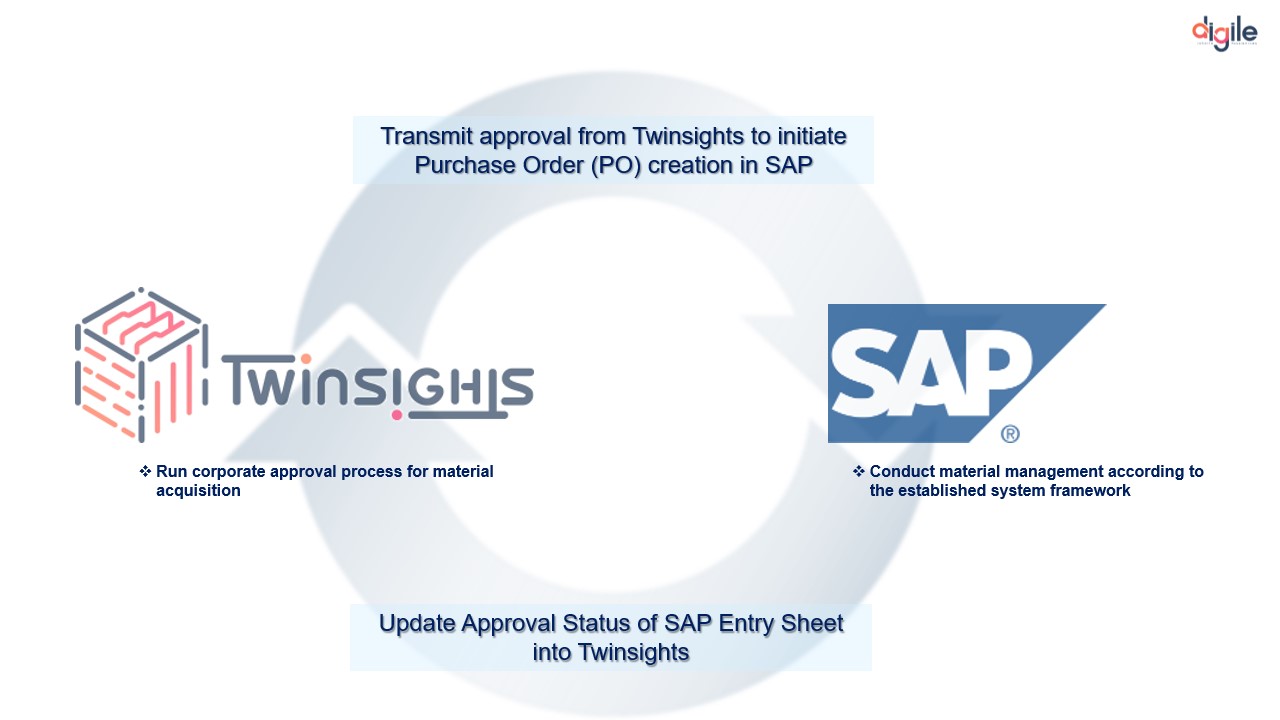
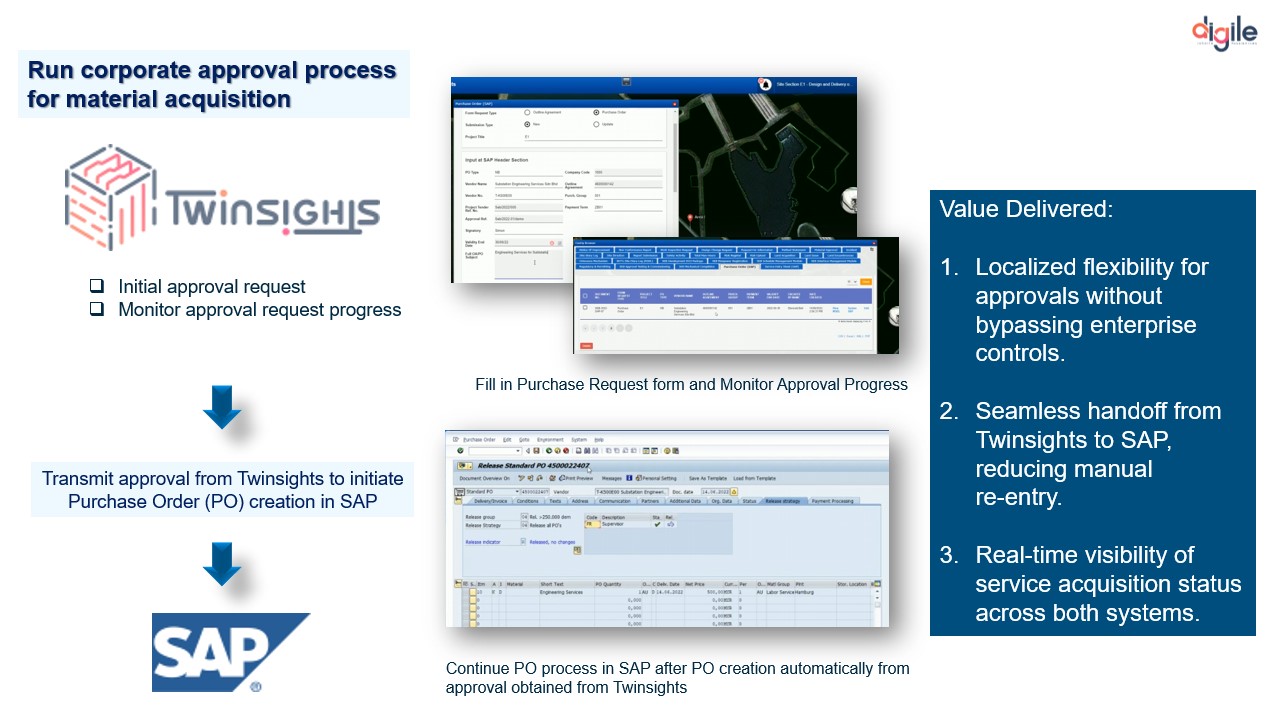
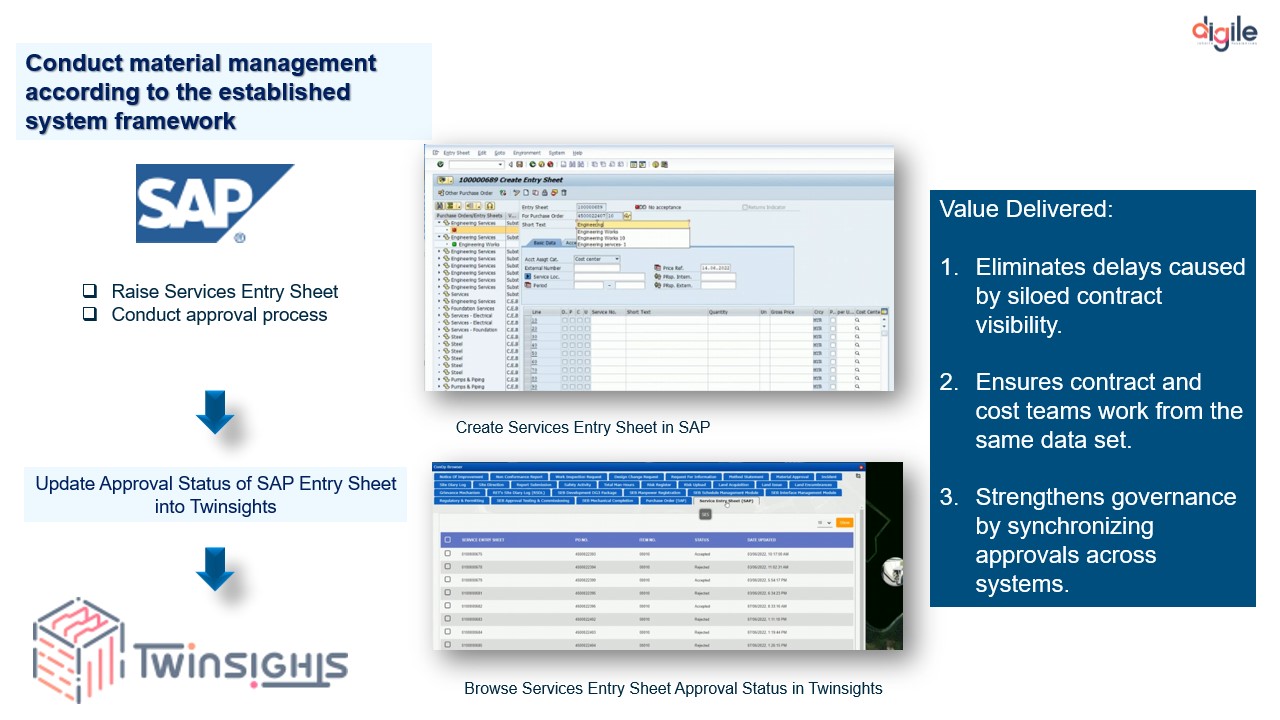
1. Creating a Single Source of Truth
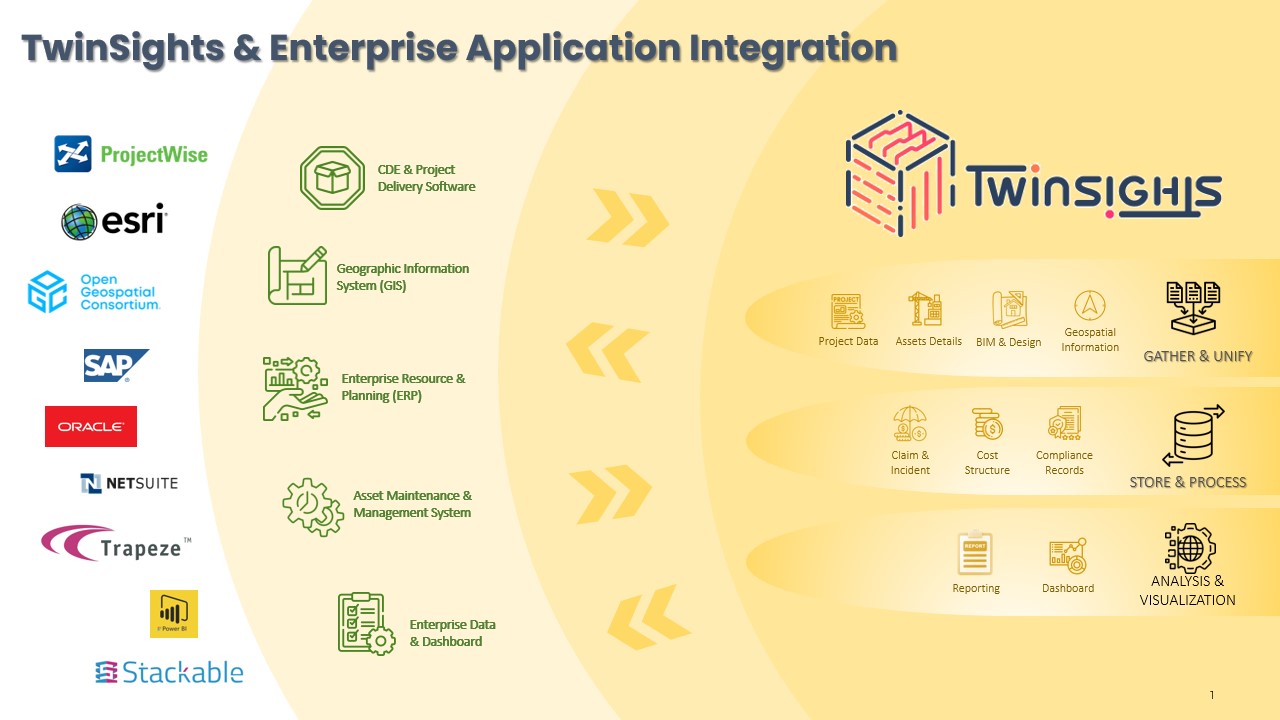
Digital Twins integrate data across systems:
Design + construction + operational data + sensors + schedules + asset information.
Instead of fragmented information, stakeholders work from one evolving environment.
This improves:
- Coordination
- Transparency
- Faster approvals
- Reduced misunderstandings
- Better governance
The impact is particularly significant for large, asset-intensive projects where coordination failures create compounding delays.
2. Detecting Risks Before They Become Failures
Digital Twins allow teams to simulate scenarios before acting.
Examples include:
- Traffic flow changes
- Structural stress predictions
- Maintenance impacts
- Construction sequencing alternatives
- Environmental disruptions
Rather than reacting to failures, teams test possibilities virtually.
This changes risk management from retrospective to predictive.
3. Reducing Rework and Cost Overruns
Rework remains one of infrastructure’s largest hidden costs.
Digital Twins help identify:
- Design clashes
- Sequence conflicts
- Resource inefficiencies
- Performance deviations
Earlier detection means cheaper corrections.
Some estimates suggest Digital Twins can generate lifecycle savings of 10–30% depending on implementation and project complexity.
4. Enabling Real-Time Collaboration
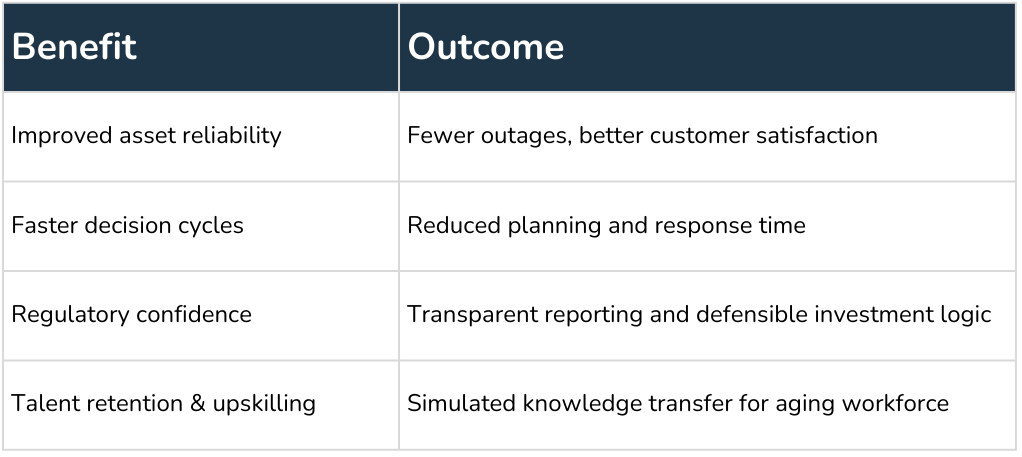
When all stakeholders can interact with live project conditions, decision cycles shorten.
A practical example emerged during pandemic restrictions, where digital twin workflows enabled virtual collaboration, reducing travel and preventing weeks of project delay.
The value is not only visualization. It is faster collective decision-making.
The Bigger Shift: Infrastructure Becoming Continuously Intelligent
The conversation around Digital Twins often focuses on construction. That is too narrow. The bigger transformation is lifecycle intelligence.
Infrastructure assets exist for decades – Roads. Rail networks. Plants. Utilities. Industrial facilities.
Digital Twins extend beyond delivery into:
- Operations
- Maintenance
- Performance optimization
- Sustainability
- Predictive maintenance
- Resilience planning
The project no longer ends at handover.
The asset continues learning.
The Challenge: Technology Alone Is Not Enough
Digital Twins are not magic. Adoption remains limited by:
- Lack of standards
- Fragmented data environments
- Security concerns
- Organizational resistance
- Integration complexity
Successful implementation depends less on software and more on governance, interoperability, and organizational readiness.
The technology matters. The operating model matters more.
Infrastructure Cannot Afford Reactive Management Anymore
Infrastructure projects are becoming larger, more interconnected, and more scrutinized.
The old approach, waiting for issues to surface and then responding, becomes increasingly expensive.
Digital Twins represent a different philosophy:
From fragmented to connected.
From static to dynamic.
From reactive to predictive.
From managing projects to continuously understanding them.
Projects stall when decisions lag behind reality. Digital Twins help close that gap.
And in complex infrastructure environments, that difference may determine whether projects drift into delay or move forward with confidence.
Twinsights – the competitive advantage your project needs
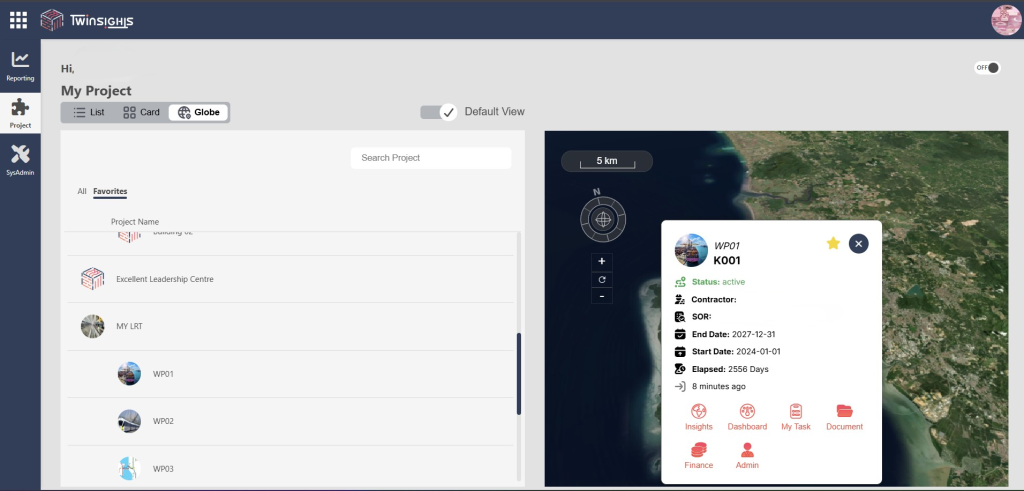
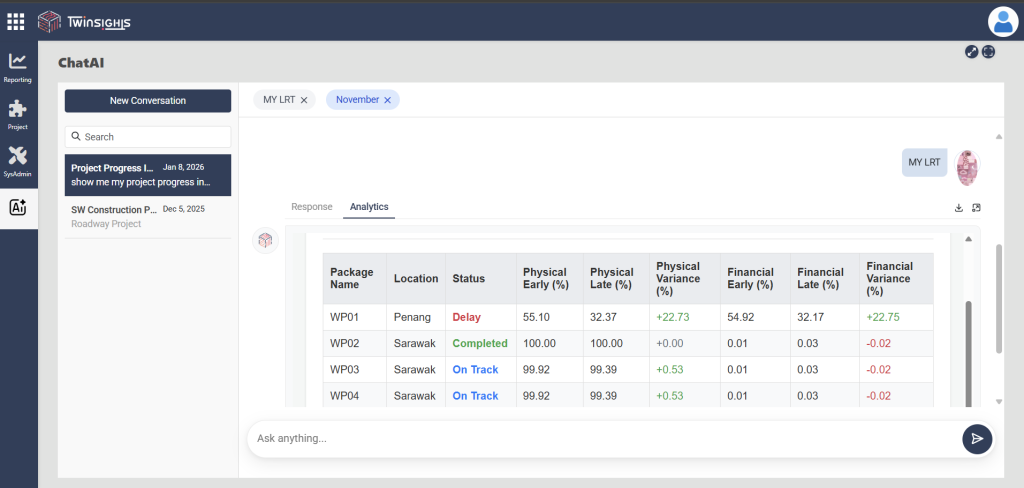
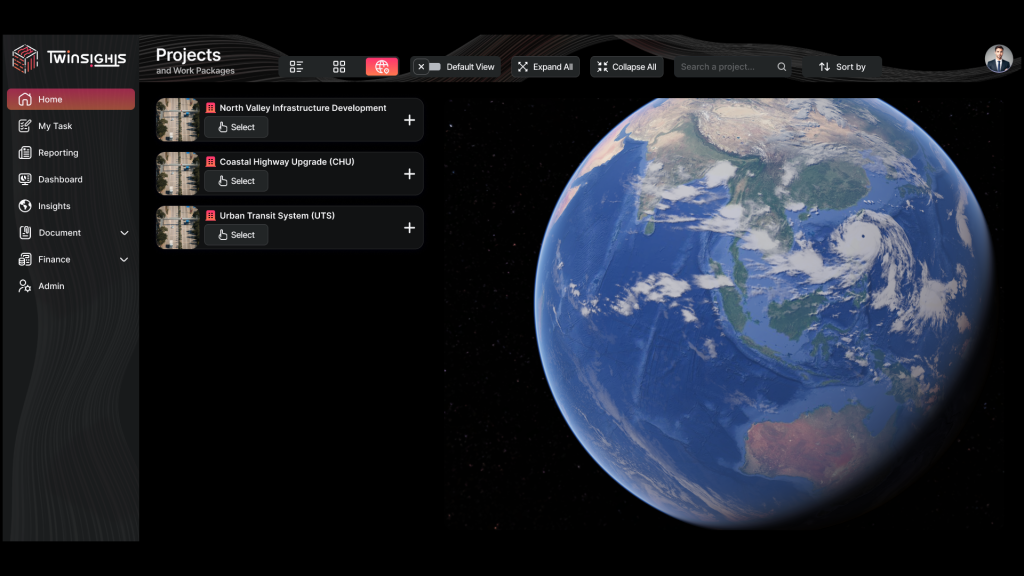
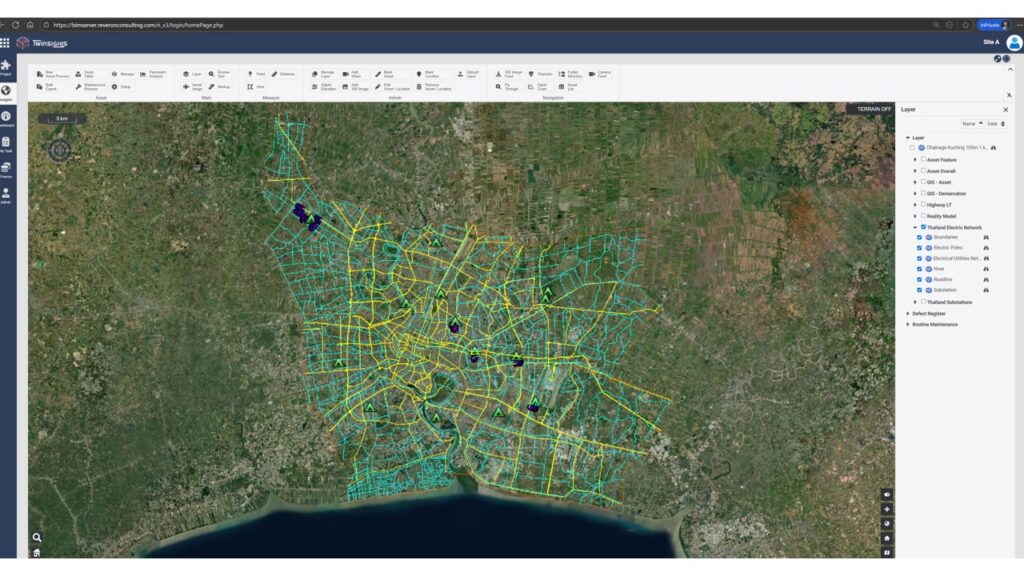
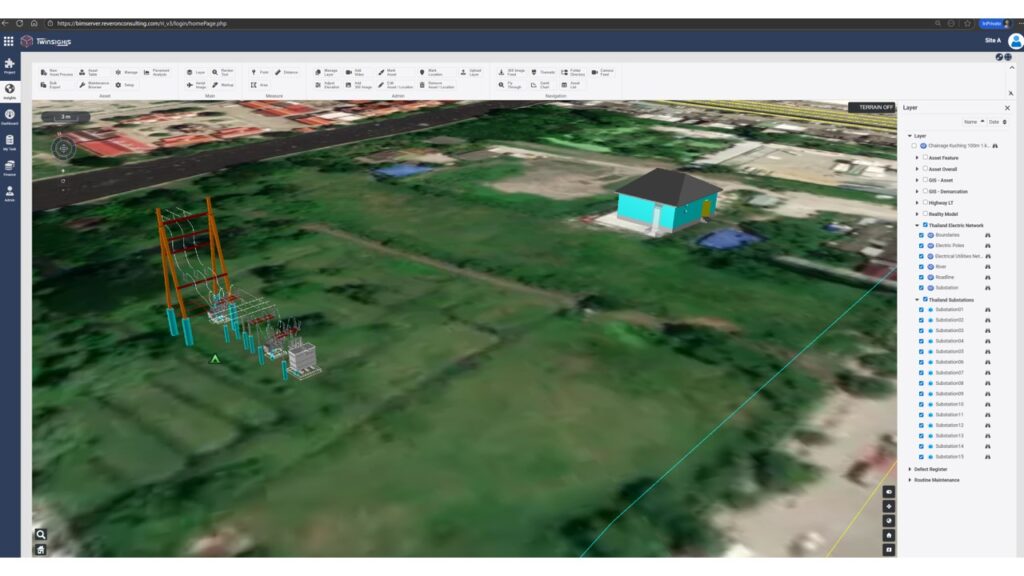
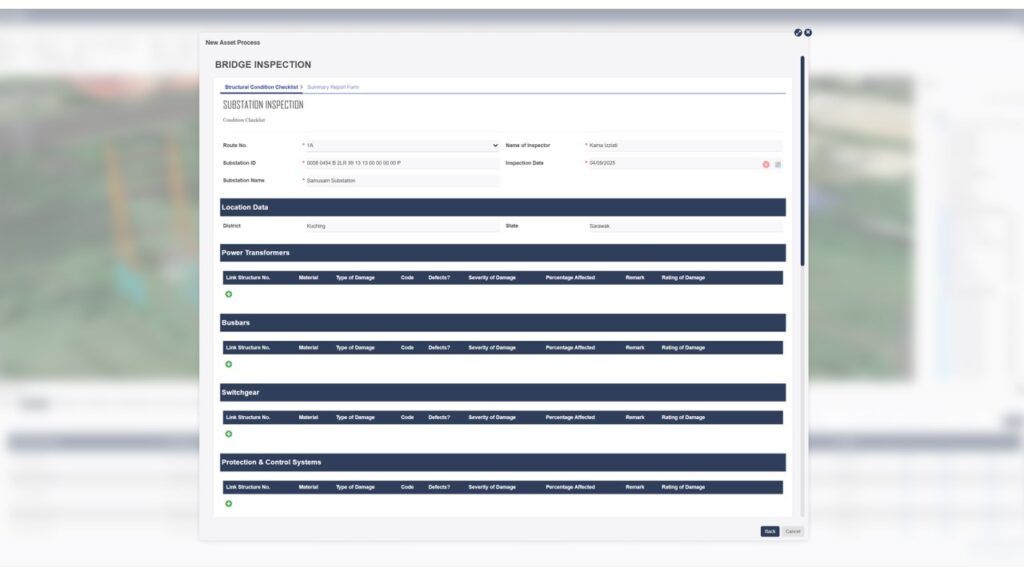
This is where platforms like Twinsights become increasingly valuable. Built to unify project data, asset information, operational telemetry, documents, BIM models, and real-time insights into a single Digital Twin environment, Twinsights helps infrastructure teams move beyond monitoring toward proactive decision-making.
From detecting early risks and simulating scenarios to enabling predictive insights and lifecycle visibility, the platform creates a connected operational view across projects, assets, and facilities. In complex infrastructure environments where delays often stem from fragmented information and slow decisions, Twinsights helps teams shift from reactive management to continuous intelligence, turning visibility into action before small issues become major project deadlocks.
Because in infrastructure, the projects that move fastest are not always the ones with the biggest budgets or teams. They are the ones that can see clearly, decide early, and act before risk becomes reality.
Ready to move from reactive project management to predictive infrastructure intelligence? Discover how Twinsights helps teams connect data, detect risks early, and make faster, more informed decisions across the asset lifecycle.
For more updates, follow us on LinkedIn, Twitter, Facebook, and Instagram.